

Applications
Metabolic Disease Models
Javelin disease models enable pharmaceutical and biotechnology companies to study the development and progression of metabolic liver diseases using clinically relevant human disease models. The platform supports a range of disease phenotypes, including nutrition-induced insulin resistance (IR), metabolic dysfunction-associated steatotic liver disease (MASLD), steatohepatitis, fibrotic metabolic dysfunction-associated steatohepatitis (MASH), and alcohol-induced liver disease. By using disease-relevant human cells from post-mortem patient tissue, the platform enables the development of clinically relevant disease phenotypes in vitro and supports translational evaluation of therapeutic strategies across disease stages.
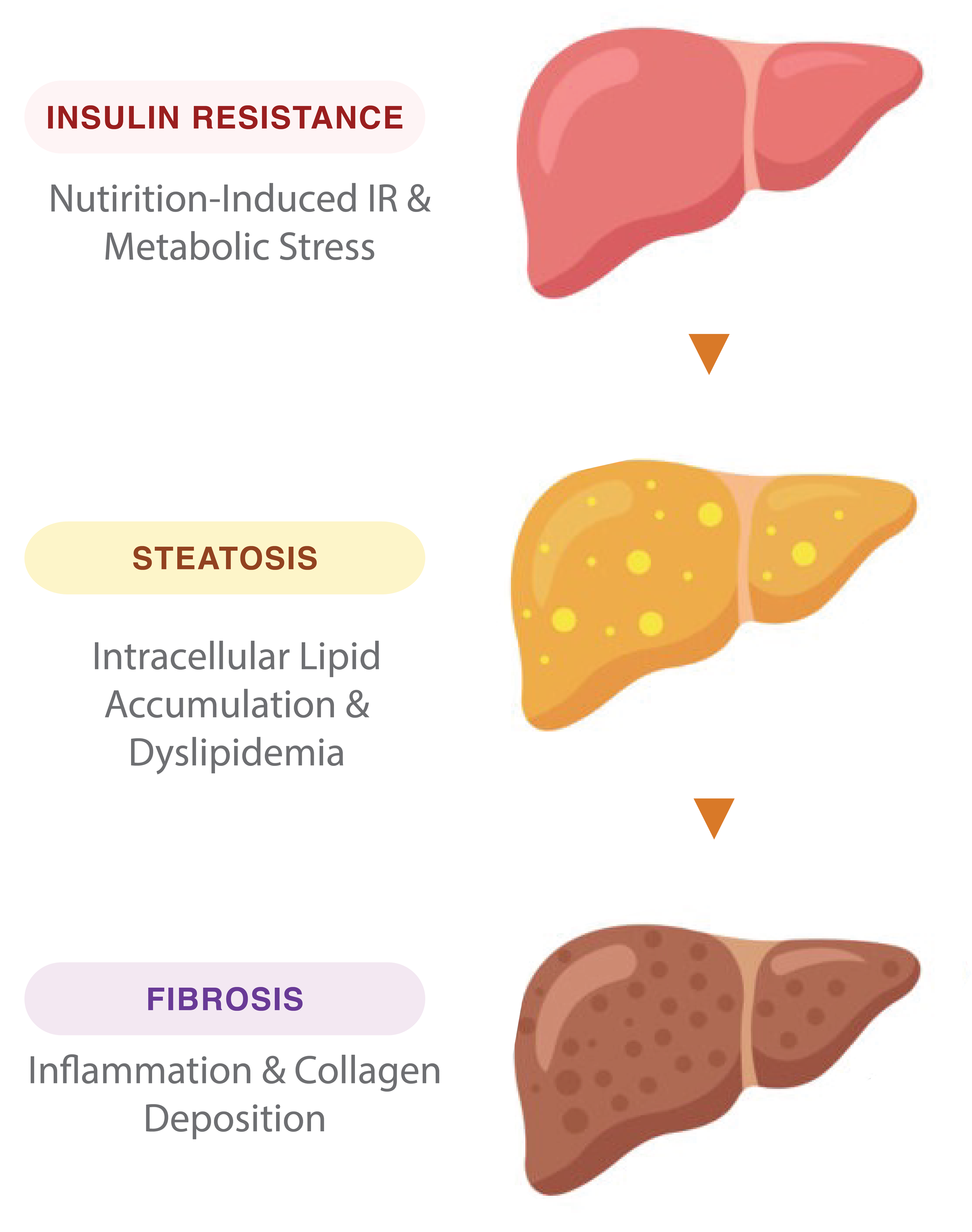
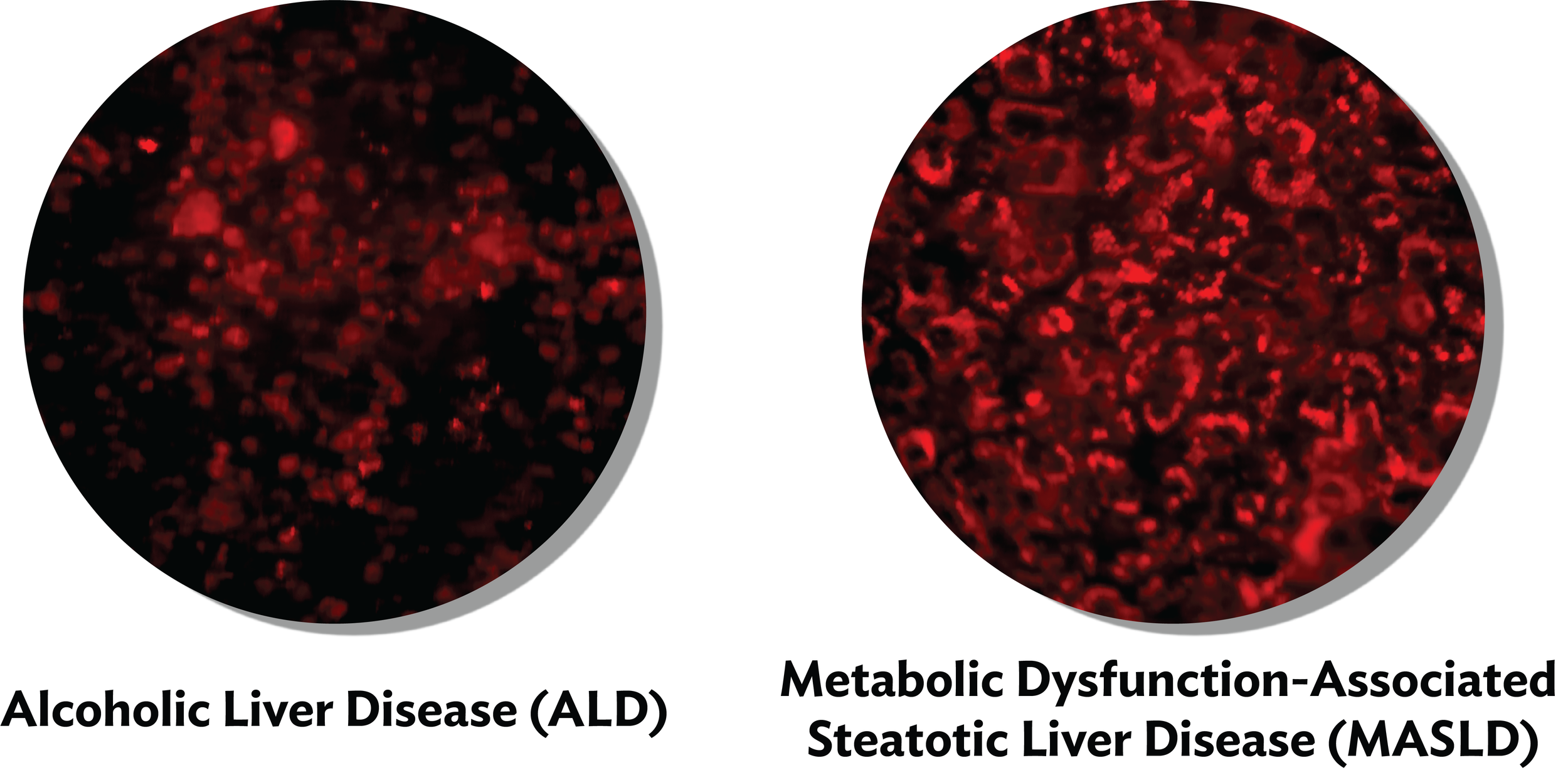
Model human disease progression using clinically relevant patient-derived cells
Utilize disease cells derived from post-mortem patients to recapitulate clinically relevant disease phenotypes in vitro and study disease progression over time. Test samples from multiple individual donors to create a "clinical trial on a chip" concept, enabling evaluation of lead compounds across diverse patient populations before entering clinical trials.
Evaluate therapeutic strategies across disease stages and modalities
Investigate different therapeutic strategies, including preventative and disease-modifying approaches, to assess their effects at distinct stages of disease. Benefit from a modality-agnostic framework that supports the evaluation of traditional therapeutic approaches as well as advanced modalities such as biologics and oligonucleotide therapeutics (ONTs).
Identify and validate disease-modifying targets using translational biomarkers
Assess potential therapeutic targets and their ability to drive disease-modifying effects using clinically relevant pharmacodynamic (PD) biomarkers. Link target engagement and pharmacological activity directly to disease progression and clinical biomarkers to prioritize targets and therapeutic strategies with greater potential for clinical translation.
Mechanistic PKPD
Javelin PKPD applications enable pharmaceutical and biotechnology companies to evaluate pharmacokinetic/pharmacodynamic (PKPD) and dose-response relationships for oligonucleotide-based therapeutics, including small interfering RNA (siRNA), antisense oligonucleotides (ASOs), and other modalities, as well as drug delivery systems such as adeno-associated viruses (AAVs) and lipid nanoparticles (LNPs). Integrate human disease models with clinical pharmacodynamic (PD) biomarkers, exposure data, and tissue-level information to generate translational insights that inform drug development and complement first-in-human (FIH) dose-finding studies.
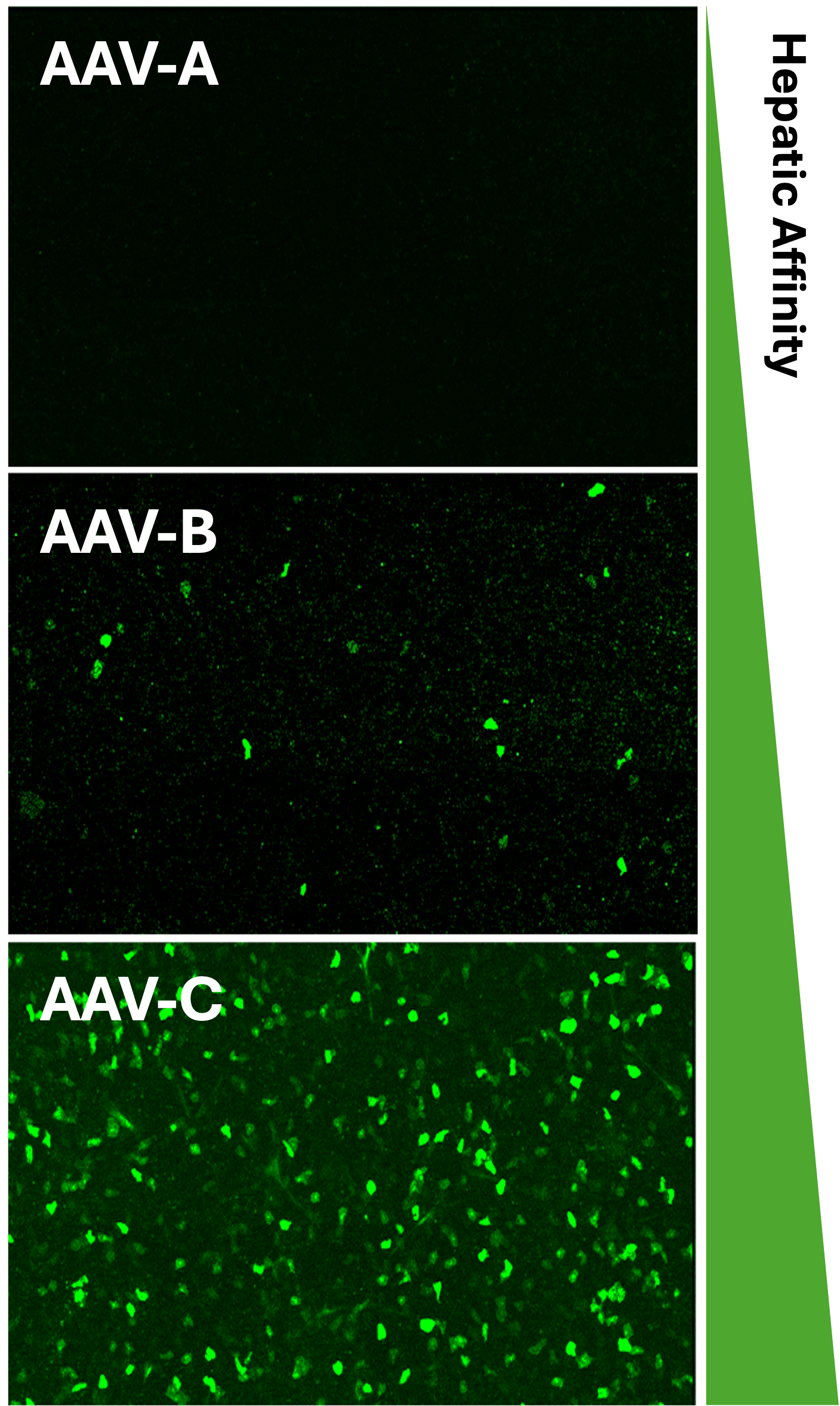
Translate exposure into human pharmacological response
Connect drug exposure with clinically relevant PD biomarkers, target engagement, and tissue-level effects to help discovery teams understand dose-response relationships and generate translational data supporting FIH dose selection and dose-finding strategies.
Evaluate liver-targeted therapeutic modalities and delivery systems
Support the development of siRNA, ASO, and other oligonucleotide therapies alongside delivery technologies such as AAVs and LNPs. Bridge systemic exposure, liver distribution, tissue activity, and downstream biological responses to strengthen translational decision-making.
Assess combination therapies for liver metabolic diseases
Provide a robust framework to evaluate combination treatment strategies, enabling assessment of how different therapeutic mechanisms interact and influence disease-relevant biomarkers and outcomes. Support the exploration of innovative approaches to treating complex liver metabolic diseases.
Hepatotoxicity
Javelin hepatotoxicity applications enable pharmaceutical and biotechnology companies to evaluate liver toxicity risk across a broad range of therapeutic modalities, with a particular focus on long-acting compounds and other therapies where prolonged exposure may present unique safety challenges. Support the evaluation of both single- and repeat-dose toxicities over three weeks of exposure, providing comprehensive mechanistic data to assess potential human hepatotoxicity risk and support translational safety decision-making.
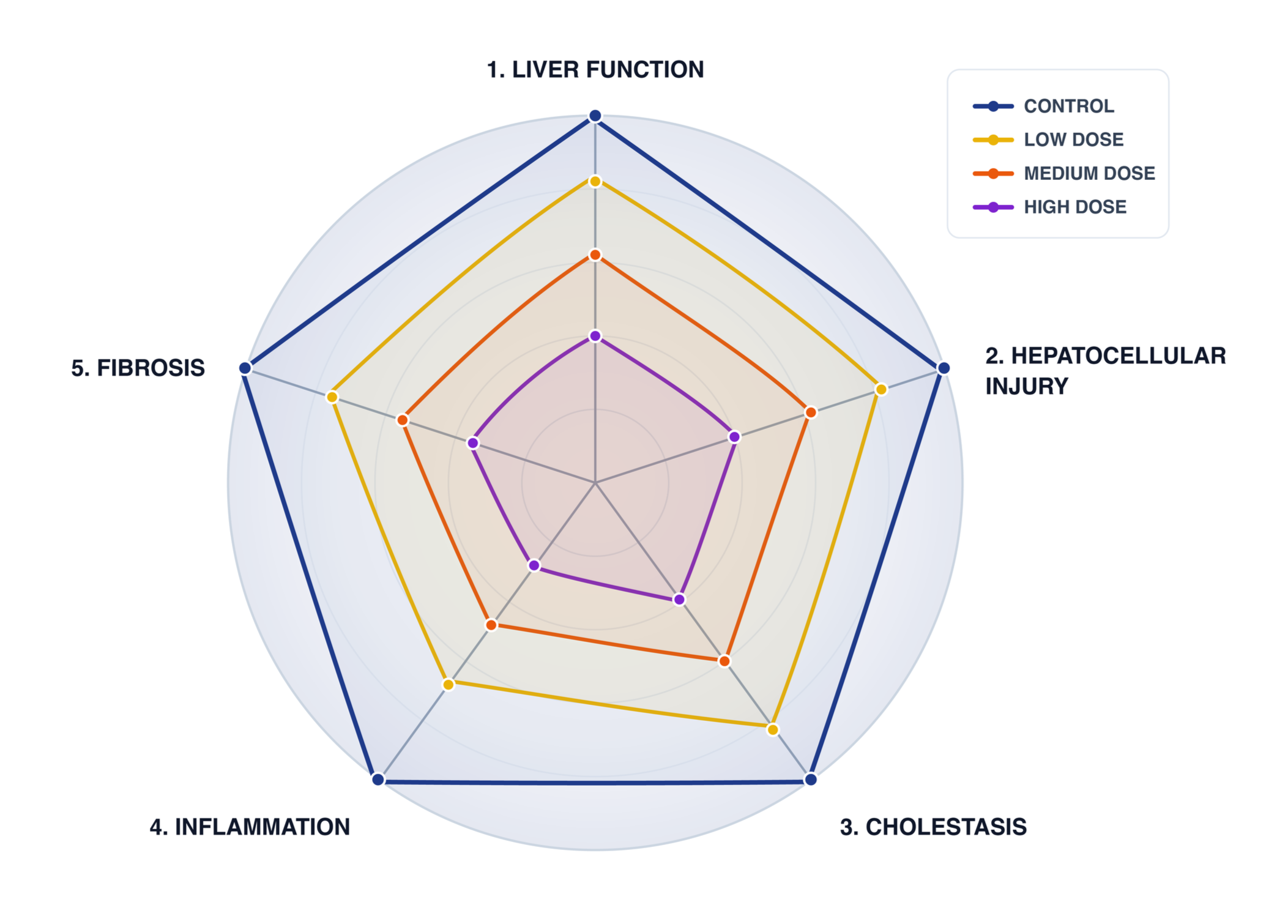
Evaluate acute and long-term hepatotoxicity risk
Assess both single- and repeat-dose toxicities during extended, three-week exposure periods. Characterize toxicity profiles of long-acting compounds and other therapeutic modalities that may not be fully captured through conventional short-term studies.
Characterize clinically relevant mechanisms of liver injury
Integrate 13 clinically relevant biomarkers that capture five major clinical liver failure modes, providing a comprehensive view of liver injury and dysfunction. Investigate underlying mechanisms of toxicity and generate translational insights to better assess potential human hepatotoxicity risk.
Assess multi-organ and off-target toxicities
Leverage multi-organ capabilities beyond liver-specific safety assessment to evaluate potential toxicities in other tissues and organs. Investigate off-target toxicities, identify broader safety liabilities, and develop a comprehensive understanding of the overall safety profile of a therapeutic candidate.
Mechanistic ADME
Javelin ADME applications enable pharmaceutical and biotechnology companies to characterize key absorption, distribution, metabolism, and excretion (ADME) processes across a broad range of therapeutic modalities. Support small-molecule drug development—including low-clearance compounds where traditional in vitro systems face limitations—as well as peptides, proteolysis-targeting chimeras (PROTACs), monoclonal antibodies (mAbs), and antibody-drug conjugates (ADCs). Utilize interconnected organ systems and dynamic kinetic data to investigate complex drug disposition mechanisms and support translational assessment of drug behavior.
Characterize liver-specific drug disposition and metabolism
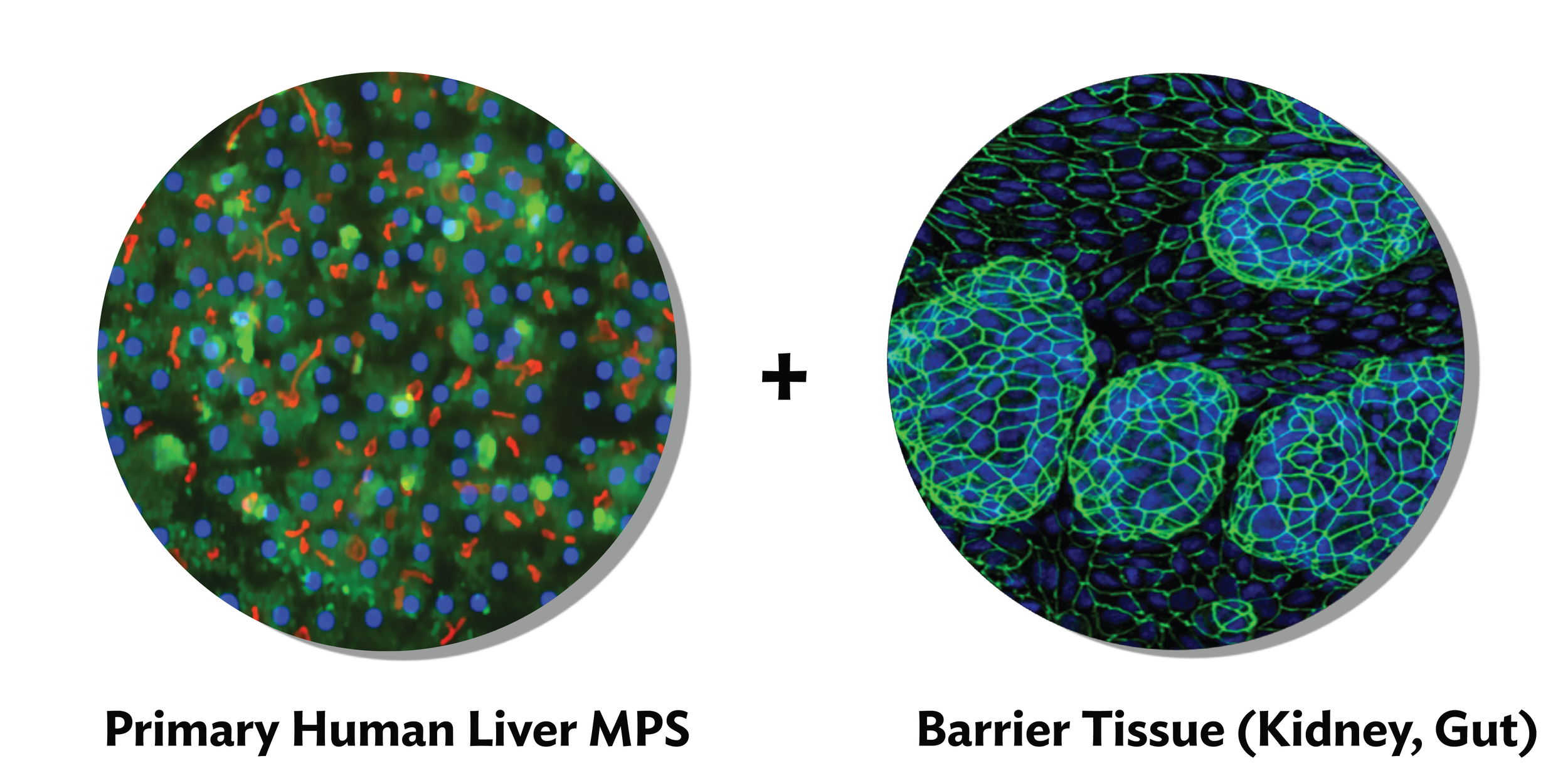
Investigate key hepatic processes in a liver-only system, including drug clearance, biotransformation, disposition, uptake, and drug-drug interactions (DDIs). Generate kinetic data to characterize complex mechanisms of drug metabolism and transporter activity, including enzyme induction following chronic exposure.
Evaluate hepatic and renal clearance simultaneously
Conduct integrated evaluations of drugs and metabolites cleared through both hepatic and renal pathways using a liver-kidney system. Characterize parent drug and metabolite clearance simultaneously to help development teams understand the relative organ contributions to overall drug disposition and identify potential changes in clearance pathways.
Assess oral drug bioavailability and gut-liver interactions
Investigate drug absorption and bioavailability for orally administered therapies using a liver-gut system. Model interactions between the gastrointestinal tract and liver to characterize processes influencing systemic drug exposure—including absorption, first-pass metabolism, and hepatic disposition—and provide translational insights into oral drug performance.